Old brick in New Orleans is soft. It was fired at lower temperatures than modern brick, the hard outer skin is thin, and once that skin is gone the brick starts to erode with every rain. That is why the two common graffiti fixes, pressure washing and chemical removers, do so much damage on historic buildings, and why painting over the tag is the third bad option.
What goes wrong with the usual methods
Pressure washing blasts the surface and drives pigment deeper into the pores, which is where the ghost image comes from. Chemical removers dissolve the paint, but they also soak into brick and mortar and leave salts behind that bloom out later. Sandblasting removes the fired face entirely. Painting over leaves a patch that never matches and seals moisture into the wall.
How laser removal works on brick
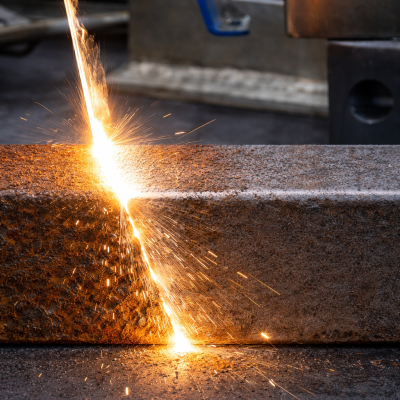
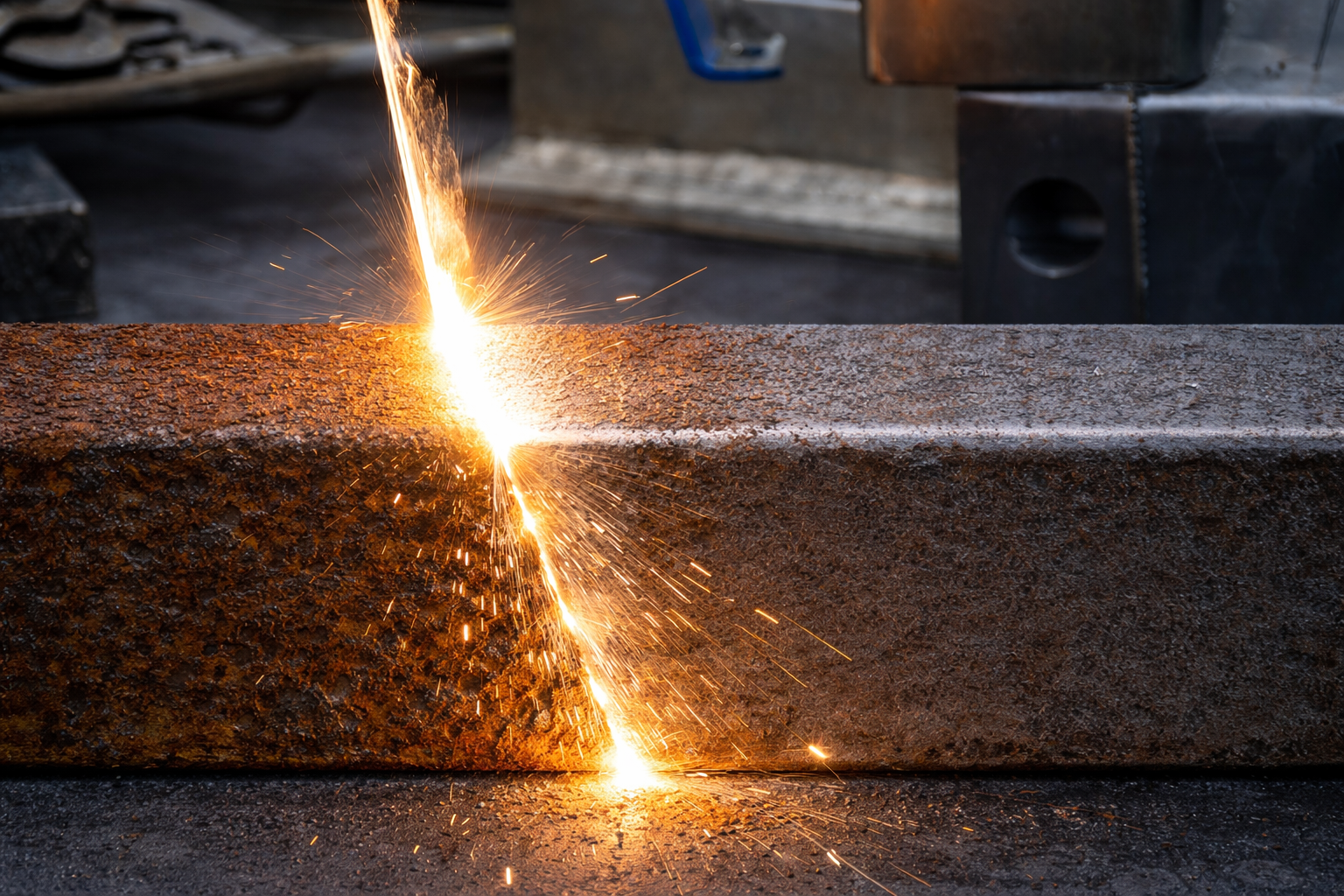
The laser is set so the paint absorbs the energy and the brick reflects it. The pigment is vaporized out of the surface texture rather than pushed into it, and the extraction unit captures what comes off. Nothing is sprayed, nothing soaks in, and the face of the brick is not abraded. The same applies to stone, cast stone and stucco.
What to expect on a historic job
We start with a test spot on an edge of the tag so you see the result on your own wall before we do the rest. On a wall with decades of grime the cleaned area can look brighter; if that bothers you we can feather the edges or clean a larger section so it blends. We photograph before and after, which is useful if a historic district review is involved.
Beyond graffiti
The same process handles the rest of what builds up on old masonry: soot, pollution staining, biological growth, failed sealers and old paint. See our heritage preservation and restoration page, or go straight to graffiti removal if a tag is the only problem.
Tagged wall? Send a photo to info@gulfsouthlaser.tech or call (504) 913-0520. Most tags in the New Orleans area are handled within the week.
Quick answers
Can you remove graffiti from historic brick?
Yes. Laser cleaning removes paint from the surface and from inside the texture of the brick without abrading the fired face or etching the mortar, which is why it is used on historic masonry.
Will there be a ghost image left behind?
On most surfaces, no. Washing leaves ghosting because it drives pigment deeper; the laser removes the pigment instead. On very porous, badly weathered brick a faint trace can remain, and the test spot shows you exactly what to expect.
Do I need approval from the historic district commission?
Cleaning rules vary by district and by what is being done. We provide a test spot and photo documentation that can go with any review, and we never use abrasives or acids on historic masonry.